
Chapter 9: Seven Steps Toward Tomorrow
The day arrived without celebration.
No drums announced it.
No loud laughter filled the air.
Yet the mandap stood firm—simple, sacred, unafraid.
Veeresh Sisodiya sat before the sacred fire, dressed in traditional attire, his posture composed but his heart steady in a way it had not been for years. In front of him, the idol stood silent—witness to centuries of rituals, now watching one more that history would remember differently.
The villagers gathered at a distance.
Some with anger.
Some with doubt.
Some with quiet curiosity.
Ravi and Richard stood side by side—not as rivals, not as leaders—but as men who had chosen consequence over comfort.
Then Poornima arrived.
She wore the red saree given by the Sisodiya family. The fabric glowed softly in the morning light—not loud, not defiant—just present. The chooda adorned her wrists, unfamiliar yet steady, as if it had always belonged there.
She did not smile.
She did not bow her head.
She walked with restraint, carrying fear, faith, and courage in equal measure.
When she was guided to the mandap and made to sit beside Veeresh, the space between them felt neither forced nor distant—just respectful, deliberate.
The mantras began.
Ancient words filled the air, unchanged for centuries, yet sounding different today—lighter, almost forgiving.
The priest handed Poornima a sacred thread.
Her fingers trembled slightly as she tied it around Veeresh’s wrist.
A promise—not of possession, but of presence.
Veeresh took the thread and tied it around her wrist in return.
Equal.
Intentional.
The gadhbandhan followed—their garments knotted together, binding not just two people, but two stories, two pasts, two wounds willing to walk forward.
During kanyadan, Richard stepped forward.
His hands were steady, his eyes not.
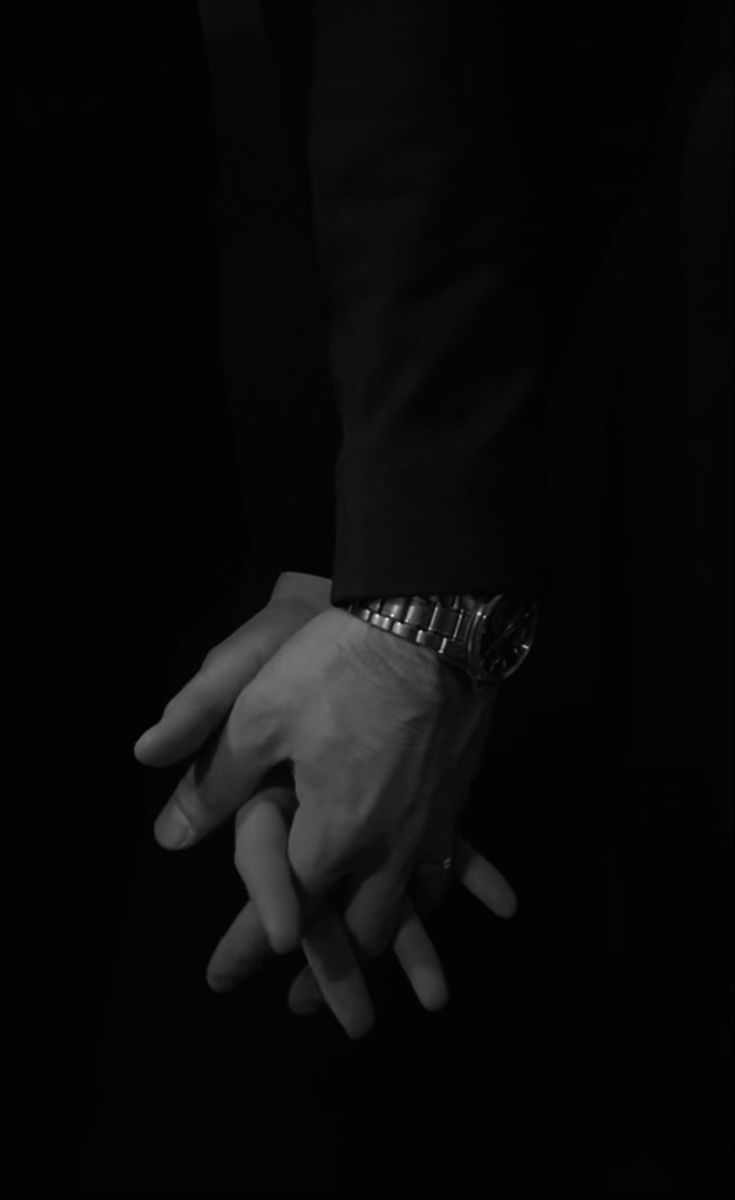
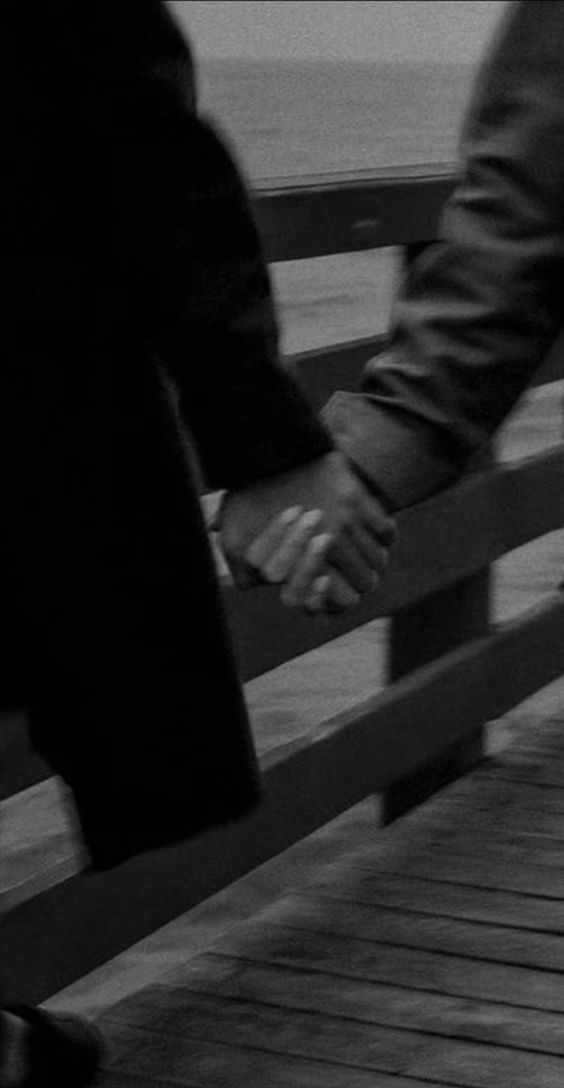
He placed Poornima’s hand into Veeresh’s—not as a man giving away property, but as a father entrusting his daughter’s future.
The moment passed without applause.
It didn’t need it.
When Veeresh lifted the mangalsutra, the world seemed to pause.
He tied it gently around Poornima’s neck—no haste, no hesitation.
Then the sindur.
As he smeared it along her hairline, a murmur rippled through the onlookers—not outrage this time, but disbelief.
Red.
Not forbidden.
Not sinful.
Just red.
They rose together for the seven pheras.
With each step, the fire crackled softly—as if acknowledging the vows.
For companionship.
For responsibility.
For respect.
For strength.
For children.
For shared growth.
For a future shaped by choice.
When the final mantra ended, the priest folded his hands.
“May your marriage be blessed with happiness,” he said.
“With love that understands pain.”
“And with courage that brings change where fear once lived.”
Veeresh and Poornima bowed—not to the crowd, not to tradition—
But to the life they had agreed to build.
Around them, silence prevailed.
Not approval.
Not rejection.
Something more dangerous.
Possibility.
And in that quiet mandap, before gods and people alike, a marriage was completed—not just between a man and a woman—
But between the past and a future that had finally dared to begin.















Write a comment ...