
Chapter 53: When Love Becomes a Lesson
The village watched them.
Not loudly.
Not openly.
But carefully.
At first, it was curiosity—the way people always look when something doesn’t fit into the old boxes they’ve lived with all their lives. An intercaste marriage. A widow remarried. A man who didn’t dominate his wife, and a woman who didn’t lower her eyes in fear.
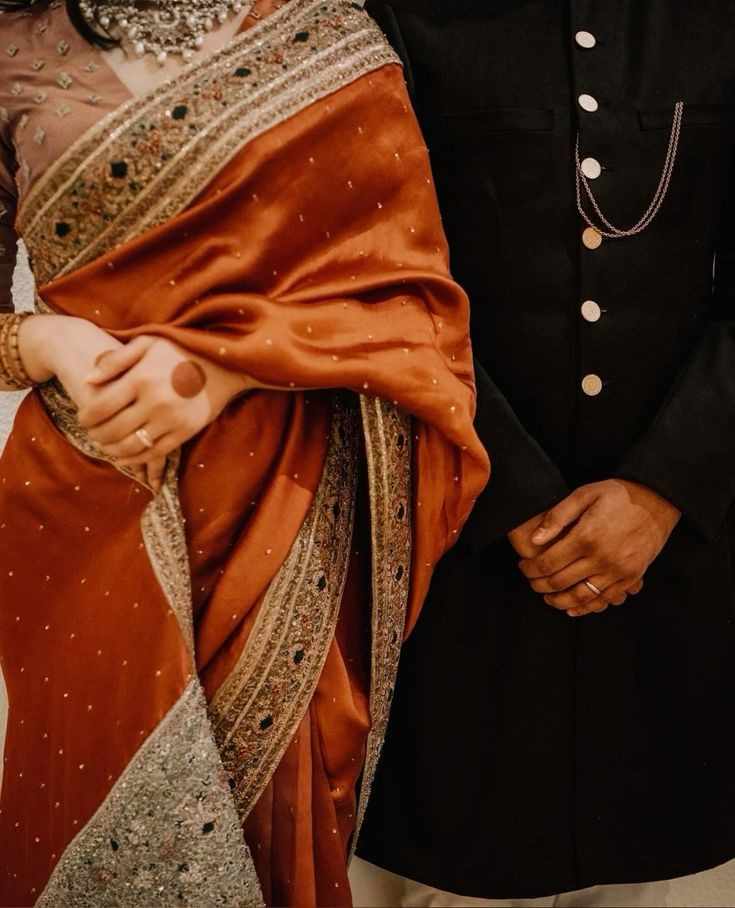
They saw Poornima walking beside Veeresh—not behind him.
They saw Veeresh waiting for her, listening to her, softening around her.
They saw children laughing without labels of his and hers.
And slowly… something shifted.
Not overnight.
Not magically.
But it shifted.
Veeresh spoke when people asked. Sometimes gently, sometimes firmly—but always honestly.
He said,
“Intercaste marriage is not rebellion. It is humanity choosing humanity.”
People listened because he wasn’t lecturing. He was living it.
He spoke about widow marriage, his voice steady but his eyes serious.
“A widow doesn’t lose her right to love,” he said.
“She loses a person, not her life. Expecting her to live half a life is cruelty, not culture.”
Some women looked down, swallowing emotions they had buried years ago. Some men shifted uncomfortably—because truth does that.
Then he spoke about something no one expected him to.
Mental health.
“People think only women suffer,” Veeresh said one evening, standing among the villagers.
“But men suffer too—silently. We are taught not to cry, not to speak, not to break. We carry anger because no one teaches us how to carry pain.”
His voice softened when he spoke about women.
“And women… especially widows… they carry grief, guilt, fear, loneliness, judgment—all at once. They are expected to heal fast but never love again. To be strong but never human.”
People listened.
Because Poornima stood beside him—not as proof, but as presence.
He looked at her then and said words that came from a place deeper than pride.
“Acceptance is not easy,” he admitted.
“It doesn’t happen in one day. It needs patience. Learning. Growth.”
He paused.
“My wife taught me that.”
Poornima’s eyes filled—not with tears of pain, but with something warmer. Validation. Respect. Being seen.
She had never tried to change the village.
She had changed one man.
And that man became a mirror for others.
The village women began to talk—quietly at first—about their fears, their loneliness, their suppressed grief. Men began to listen—not all, but some. And some is how change always begins.
They saw that love didn’t erase scars—but it didn’t mock them either.
They saw that remarriage didn’t dishonor the dead—it honored the living.
They saw that strength wasn’t silence—it was honesty.
Poornima didn’t preach.
Veeresh didn’t dominate.
They simply lived—patiently, openly, imperfectly.
And in watching them, the village learned something powerful:
That healing is possible.
That growth is possible.
That when a man and a woman choose each other with empathy, they don’t just build a family—
They change mindsets.
Quietly.
Bravely.
Together.



















Write a comment ...